
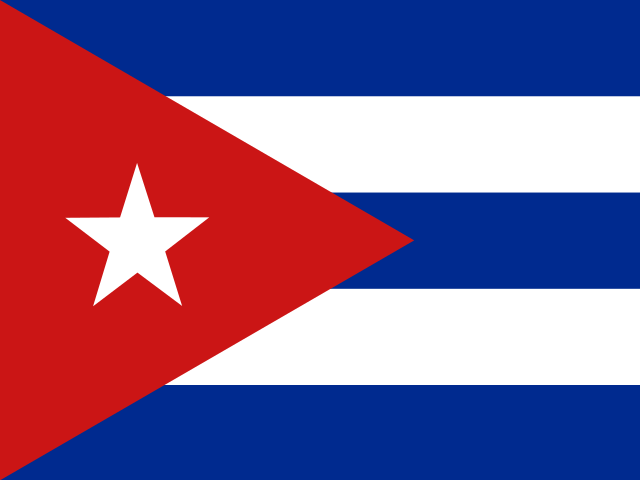
 How to Get Cuban Citizenship
Key facts
- Residence for naturalisation
- 5 years1 change not yet in force and not applied: see the timeline.
- Language
- Required, no test
- Dual citizenship
- Accepted
- Civic test
- No civic knowledge requirement
- Criminal record
- No criminal record condition in the law
- Income condition
- No income condition in the law
- Dual citizenship in detail
- Accepted in both directionsNew citizens do not have to give up their previous citizenship.Citizens who naturalise abroad keep their citizenship.
- Available routes
- Region
- Americas
- Law in force as of
- 1 January 2024
- Last checked
- 9 November 2026
Upcoming changes
These changes are not in force. The figures on this page do not include them.
- Scheduled
Citizenship Law 172 of 2024, published on 5 May 2026, takes effect 180 days after publication, around 1 November 2026. Naturalisation requires 5 years as a permanent resident, or 2 years for the spouse or parent of a citizen by birth, and a citizenship exam. It replaces Decree-Law 352 of 2017 and Decree 358 of 1944.
The rule text in the sections below was coded for the law on 1 January 2024. The changes in the timeline above are not in force and are not applied.
Naturalisation (residence)
This route covers foreign residents who seek citizenship after living in Cuba, subject to the conditions below. Cuba requires an application, after which citizenship must be granted if conditions are fulfilled.
Scheduled, 1 November 2026: Citizenship Law 172 of 2024, published on 5 May 2026, takes effect 180 days after publication, around 1 November 2026. Naturalisation requires 5 years as a permanent resident, or 2 years for the spouse or parent of a citizen by birth, and a citizenship exam. It replaces Decree-Law 352 of 2017 and Decree 358 of 1944.
- Residence
- 5 years
Person has been resident in Cuba for 5 years.
- Previous citizenship
- New citizens do not have to give up their previous citizenship
- Language
- Required, no test or certificate specified
Person knows the Spanish language.
- Civic knowledge
- No civic knowledge requirement
- Criminal record
- No criminal record condition in the law
- Income or economic resources
- No income condition in the law
Marriage or civil partnership
This route covers people married to a citizen of Cuba, subject to the conditions below. Cuba requires an application, after which citizenship must be granted if conditions are fulfilled.
Scheduled, 1 November 2026: Citizenship Law 172 of 2024, published on 5 May 2026, takes effect 180 days after publication, around 1 November 2026. Naturalisation requires 5 years as a permanent resident, or 2 years for the spouse or parent of a citizen by birth, and a citizenship exam. It replaces Decree-Law 352 of 2017 and Decree 358 of 1944.
Person is the spouse of a citizen and the union either resulted in offspring or the person has been resident in Cuba for 2 years uninterrupted since the marriage was celebrated. Other conditions: renunciation of citizenship of another country.
Descent (citizen parent)
Descent from a citizen parent is the basis of this route in Cuba.
Person is born abroad to a citizen who carries out an official mission in the service of Cuba.
Person is born abroad to a citizen and citizen parent applies for citizenship on behalf of his/her child or person applies after reaching the age of majority. Application can be refused if person or his/her parent (if minor) has committed acts against the political, social and economic foundations of Cuba. A person born abroad whose parent also acquired citizenship on the basis of this provision can acquire citizenship after reaching the age of majority if he/she demonstrates that he/she has established permanent ties and stable relations with Cuba for at least two years and passes a citizenship test, demonstrating that he/she has sufficient knowledge of the Spanish language and Cuban constitutional regulations, the country's administrative and social organisation, citizen's rights and duties, the country's history, geography and national events.
Birth in the country
For people born in Cuba, the rules below show when birth there leads to citizenship. No authority decides this matter, since citizenship follows directly from the law of Cuba.
Person is born in Cuba. Unless parents are foreign diplomats or employees of an international organization.
Child of a new citizen
For children whose parent becomes a citizen of Cuba, the rules below set out what applies. Cuba requires an application, after which citizenship must be granted if conditions are fulfilled.
Person is a minor born abroad whose parent is acquiring citizenship by naturalisation.
Former citizens (reacquisition)
For former citizens of Cuba, the rules below show when citizenship can be reacquired. Cuba requires an application, after which citizenship must be granted if conditions are fulfilled.
Person lost citizenship due to acquisition of another citizenship or holding dual citizenship and establishes residence in Cuba. Other conditions: renunciation of citizenship of another country.
Not available in Cuba: Adoption, Other family members of citizens, Citizens of specific countries, Ethnic or cultural affinity, Residence during childhood, Very long residence, Refugees, Stateless persons, Special achievements, Public or military service, Investment. This follows the GLOBALCIT coding, with in-force changes applied.
Dual citizenship
Dual citizenship is accepted in Cuba for new citizens and for citizens who naturalise abroad.
- New citizens
- New citizens do not have to give up their previous citizenship
- Citizens who naturalise abroad
- Citizens who naturalise abroad keep their citizenship
(Constitutional provision states that citizenship is not lost if another citizenship is acquired.)
Compare with neighbours
Under the law of Cuba, 5 years applies, which is shorter than the usual 6 years seen in the Caribbean.
Check where Cuba sits in the full residence ranking
| Country | Residence | Language | Dual citizenship |
|---|---|---|---|
 Antigua and Barbuda | 6 years | None | Accepted |
 Barbados | 6 years | None | Accepted |
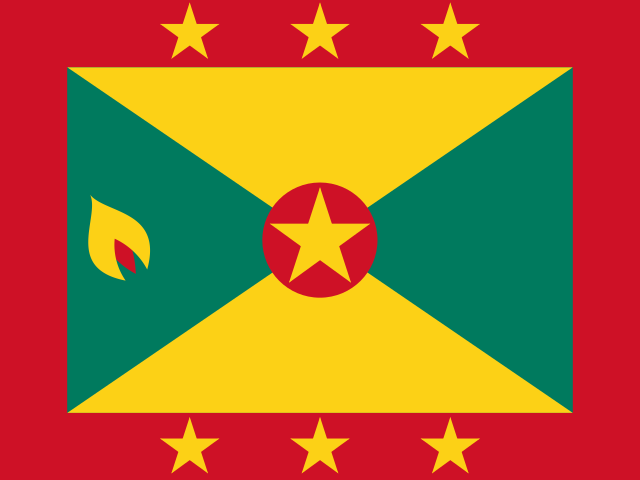 Grenada | 6 years | Required, no test | Accepted |
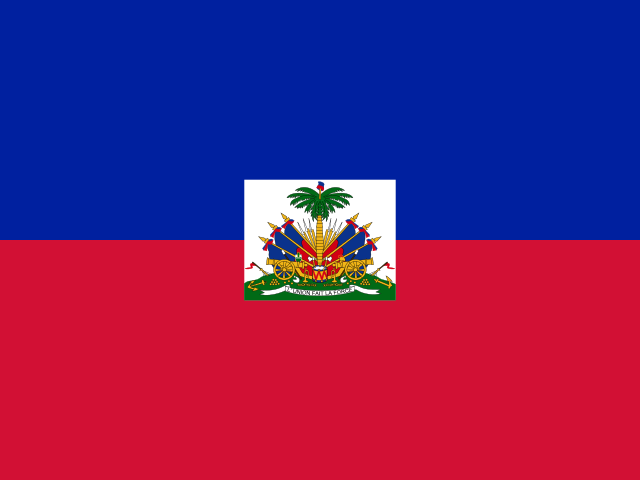 Haiti | 5 years | None | Accepted |
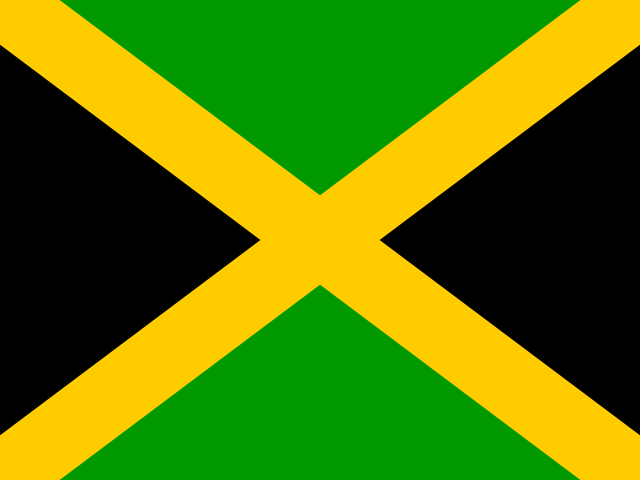 Jamaica | 5 years | None | Accepted |
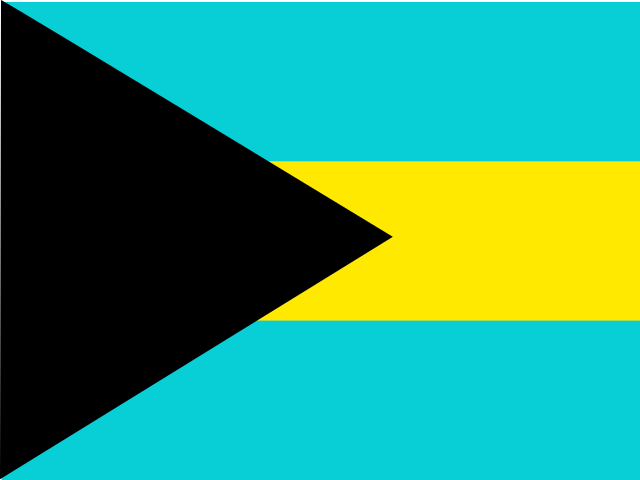 The Bahamas | 6 years | Required, no test | Citizens abroad only |
Sources
- Official source: Official Gazette: Law 172 of 2024 on citizenship
- Second source used for the cross-check: Wikipedia: Cuban nationality law
Naturalisation provisions: Legal basis: Constitution Art. 35, Nationality law Art. 8(a).
Cite this page
TravelDecla. (2026, November 9). How to Get Cuban Citizenship. https://traveldecla.com/citizenship/cuba/
<a href="https://traveldecla.com/citizenship/cuba/">How to Get Cuban Citizenship</a> (TravelDecla, last checked 9 November 2026)
Licence
Vink, van der Baaren, Bauböck, Džankić, Honohan, Manby (2025). GLOBALCIT Citizenship Law Dataset v3.1. Global Citizenship Observatory, https://hdl.handle.net/1814/73190. CC BY 4.0. Modified by TravelDecla.
Modified by TravelDecla: updated with changes after 1 January 2024.
GLOBALCIT codes the law as written. Fees, processing times, quotas and how officials apply the rules in practice are not in this dataset: check them with the official authority.
FAQ
How many years to become a Cuban citizen?
Ordinary naturalisation in Cuba requires 5 years of residence, plus the other conditions in the law. A change that is not yet in force may affect this: see the timeline above.
Does Cuba allow dual citizenship?
Yes. Cuba accepts dual citizenship in both directions, as coded in the data.
Do I need a language test for Cuban citizenship?
The law of Cuba mentions a language requirement without pointing to a specific exam.
Is there a civic knowledge test for Cuban citizenship?
Cuba does not require applicants to pass a civic knowledge test.
Do I have to give up my current citizenship to get Cuban citizenship?
Cuba does not require you to give up your current citizenship for Cuban citizenship. The law of your current country may have its own rules on this.
Can I get Cuban citizenship by marriage?
Yes. Marriage to a citizen is a route to citizenship in Cuba. Procedure: entitlement. A change that is not yet in force may affect this: see the timeline above.
Can I get Cuban citizenship by descent?
Yes, Cuba has a descent route. Procedure: automatic, discretionary.
Can I get Cuban citizenship by investment?
No. The data codes no citizenship-by-investment route for Cuba.
Related pages


Also see: Cuba passport, visa-free access and entry rules. Latest law changes.

Corrections to this page are handled by Sarah Kim, Fact-Checker.