
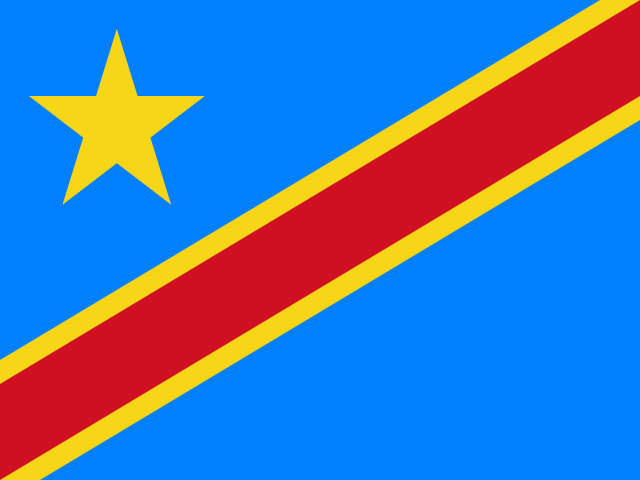
 Is It Safe to Travel to the Democratic Republic of the Congo?
Advisories checked 9 November 2026. Check the official advisory on the day you travel: governments change them often, sometimes weekly.
The US rates the Democratic Republic of the Congo Level 4 (Do not travel). The UK advises against all travel to some parts of the Democratic Republic of the Congo and all but essential travel to others. Canada advises avoiding all travel.
The governments disagree: the strictest advice comes from the US and Canada (level 4), the mildest from the UK (level 2). Some regions carry stricter warnings than the rest of the country.

The three advisories side by side
 US Department of State
4Level 4“Do not travel”
“Do not travel to the Democratic Republic of the Congo (DRC) due to health, crime, unrest, terrorism, and kidnapping Due to the Ebola outbreak in the DRC, the Department of Homeland Security has implemented new restrictions under Title 49 of the U.S.”
 UK Foreign, Commonwealth & Development Office
2Level 2“Advises against travel to parts of the country”
“FCDO advises against all but essential travel to: The districts of N’djili and Kimbanseke in Kinshasa city south of the main access road to N’djili airport, in Nsele commune …”
 Government of Canada
4Level 4“Avoid all travel”
“The Health section was updated - travel health information (Public Health Agency of Canada)”
Terrorism
The UK says terrorists are very likely to try to carry out attacks in the Democratic Republic of the Congo.
Source: UK Foreign, Commonwealth & Development Office.
Canada says this about terrorism in the Democratic Republic of the Congo:
There is a threat of terrorism in the Democratic Republic of the Congo, particularly in the border areas with Rwanda, Burundi and Uganda. Armed groups clash over control of goods-trafficking routes, mining sites and agricultural areas.
Source: Government of Canada.
Crime
The UK describes crime in the Democratic Republic of the Congo as follows:
Foreign nationals are at particular risk of street robbery in Kinshasa, Lubumbashi and other urban centres, especially near hotels and supermarkets in the centre of town. Organised gangs lure people into traps through techniques including the use of children, promising cut-price gold and diamonds, or posing as police or security personnel.
Source: UK Foreign, Commonwealth & Development Office, updated 8 October 2026.
Canada describes crime in the Democratic Republic of the Congo as follows:
Crime rates are high in the DRC due to extreme poverty and the lack of enforcement.
Source: Government of Canada.
Demonstrations
Canada’s advice on demonstrations in the Democratic Republic of the Congo:
Demonstrations occur frequently, especially in Kinshasa. Even peaceful demonstrations can turn violent suddenly.
Source: Government of Canada.
Natural hazards
Government advice for the Democratic Republic of the Congo mentions earthquakes, volcanic activity, flooding, landslides and wildfires.
Canada’s advice on natural hazards in the Democratic Republic of the Congo:
The rainy season extends from April to October in the north and from November to March in the south. Flash flooding and landslides may occur during these periods and could severely disrupt essential services.
Source: Government of Canada.
Local laws
Canada highlights these local laws in the Democratic Republic of the Congo:
Persons convicted of the possession, use or trafficking of illegal drugs can expect prison terms and heavy fines.
Source: Government of Canada.
Why the advice differs
The levels differ: US level 4, UK level 2, Canada level 4.
The UK’s level 2 for the Democratic Republic of the Congo comes from advice against travel to parts of the country, not the whole country.
Regional warnings come from the UK; the US and Canada give a single level for the whole country.
The advisories were last updated on different dates: US 14 July 2026, UK 8 October 2026, Canada 2 November 2026. An older advisory may not reflect recent events.
Regions with stricter warnings
These are the governments’ own words. We do not add or change any region names.
FCDO advises against all but essential travel to: The districts of N’djili and Kimbanseke in Kinshasa city south of the main access road to N’djili airport, in Nsele commune …
Source: UK Foreign, Commonwealth & Development Office, updated 8 October 2026. The quote is shortened in our data; the full list is on the official page.

Levels by government
| Government | Level | Their wording |
|---|---|---|
| US Department of State | 4Level 4 | Do not travel |
| UK Foreign, Commonwealth & Development Office | 2Level 2 | Advises against travel to parts of the country |
| Government of Canada | 4Level 4 | Avoid all travel |
Related
- Do I need an International Driving Permit in the Democratic Republic of the Congo?
- How to get citizenship of the Democratic Republic of the Congo
- Is It Safe to Travel to Burundi?
- Is It Safe to Travel to Rwanda?
- Is It Safe to Travel to Uganda?
- Travel advisories for every country
Questions
What level does the US give the Democratic Republic of the Congo?
The US rates the Democratic Republic of the Congo Level 4 (Do not travel). US advisory updated 14 July 2026.
What level does Canada give the Democratic Republic of the Congo?
Canada advises avoiding all travel. Canadian advisory updated 2 November 2026.
Does the UK advise against travel to the Democratic Republic of the Congo?
Not for the whole country. The UK advises against all travel to some parts of the Democratic Republic of the Congo and all but essential travel to others. UK advisory updated 8 October 2026. In its words: “FCDO advises against all but essential travel to: The districts of N’djili and Kimbanseke in Kinshasa city south of the main access road to N’djili airport, in Nsele commune …”
Which parts of the Democratic Republic of the Congo have stricter warnings?
UK (updated 8 October 2026): “FCDO advises against all but essential travel to: The districts of N’djili and Kimbanseke in Kinshasa city south of the main access road to N’djili airport, in Nsele commune …”
Is there a terrorism risk in the Democratic Republic of the Congo?
The UK says terrorists are very likely to try to carry out attacks in the Democratic Republic of the Congo. Source: UK Foreign, Commonwealth & Development Office.
What natural hazards affect the Democratic Republic of the Congo?
Government advice for the Democratic Republic of the Congo mentions earthquakes, volcanic activity, flooding, landslides and wildfires.
Sources and methodology
- US Department of State: travel advice for the Democratic Republic of the Congo, updated 14 July 2026. Public domain.
- UK Foreign, Commonwealth & Development Office: travel advice for the Democratic Republic of the Congo, updated 8 October 2026. Open Government Licence v3.0.
- Government of Canada: travel advice for the Democratic Republic of the Congo, updated 2 November 2026. Open Government Licence – Canada.
Licences and full attribution for all sources
Advisories checked 9 November 2026.